CARDIFF · PSYCHEDELIC POP · EXPERIMENTAL ROCK
ROCKETGOLDSTAR
Songs, sound experiments and an independent Cardiff music history.
Rocketgoldstar formed part of Cardiff’s independent music scene in the 1990s. Their work ranged from melodic psychedelic pop to ambitious performance experiments, including a twelve-hour recording and an early headphone-only concert.
The band combined songwriting with electronic techniques and a willingness to test the usual boundaries of a recording or live performance.
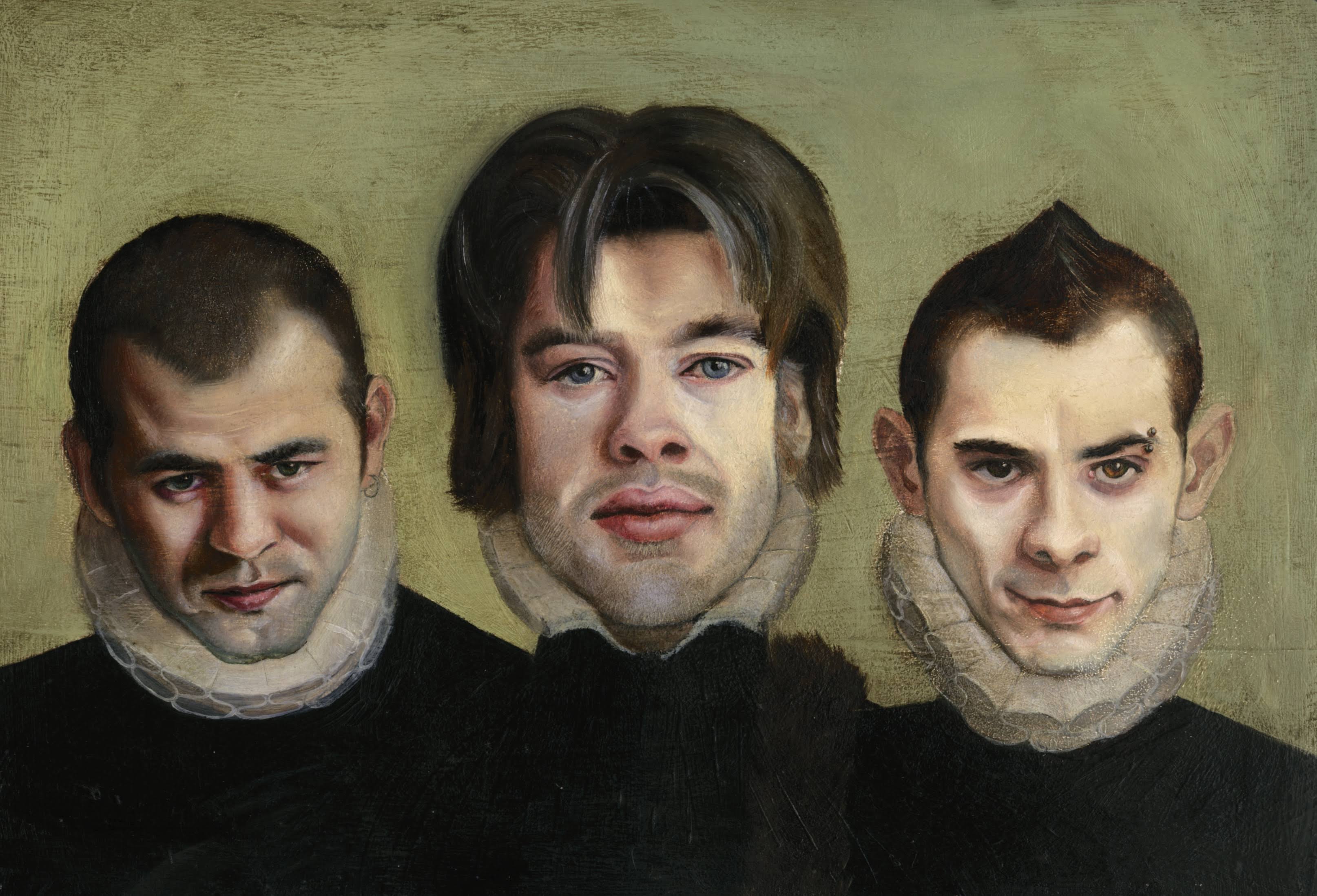
The band and the Cardiff years
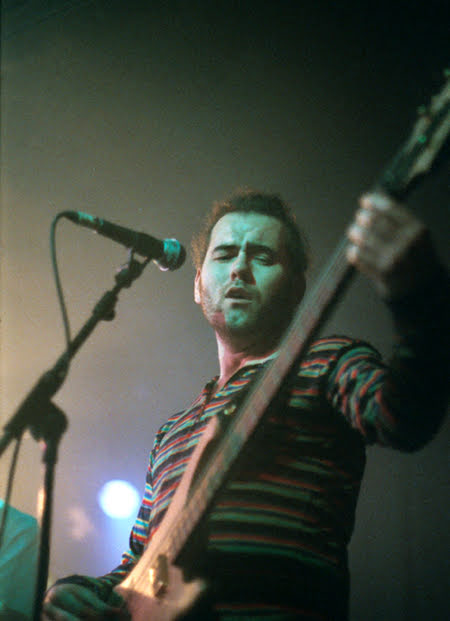
At the heart of Rocketgoldstar were Gaz Williams (bass, vocals and co-production), guitarist and producer Frank Naughton, also known as Frank Static, and experimental musician Siôn Orgon. Frank had roots in the influential early electronic-music scene around µ-Ziq; Siôn brought an imagination that would take him into collaborations connected with Coil, Thighpaulsandra and electroacoustic experimentation. Between them they made music that could swing from catchy melody to giddy sonic weirdness in a heartbeat.
The group emerged in the 1990s from a Cardiff scene where independent labels, Welsh-language culture, psychedelic rock, dance music and irreverent pop were constantly crossing paths. Rocketgoldstar made the most of that freedom: unorthodox songs, ambitious records and performances that often became an event in themselves.
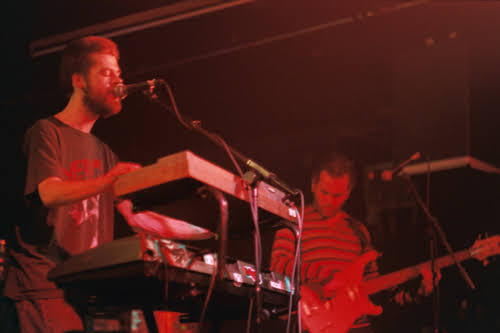
Tongwynlais: the song that started in a car
In 1996, Rocketgoldstar were travelling to recording sessions with local producer Richard Dunn in an old car. It even had pull-down picnic tables, but apparently no satisfactory in-car entertainment. The band passed the time singing the names of places along the journey.
The name Tongwynlais seemed to fit the melody of the James Bond theme Goldfinger. Frank then created a distinctive guitar riff that mimicked the rhythmic feel of sampled audio, and a joke on the way to the studio grew into a proper song. It became such a live favourite that crowds ended up shouting “Tongwynlais” back at the stage.
The original recording dates from 1996, and the band played the song on HTV’s Dez Rez in 1997. The full story survives in a 2014 interview with Gaz, including a recording of the song. The song became a distinctive local favourite.
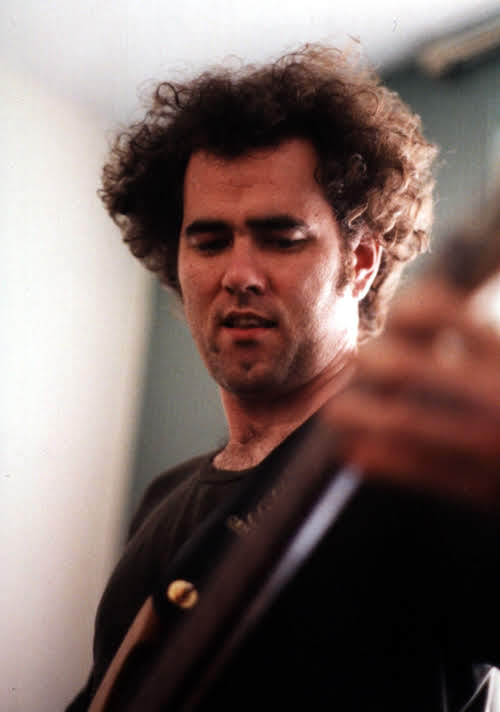
How a local song took shape
A village name, a James Bond melody and an eccentric old car turned into a song that followed Rocketgoldstar onto stages for years. The song is a good example of the way the band developed musical material from everyday encounters.
Mayday Mayday: one twelve-hour single
In May 2000, Rocketgoldstar recorded an unusual project: “Mayday Mayday”, a continuous twelve-hour performance featuring a rotating cast of more than sixty Cardiff musicians. The NME account names participants from groups including Mo-ho-bish-o-pi, Erban Poets and Tystion.
Over the course of a single marathon take, one collection of musicians became another. The music moved through extended improvisations, rhythmic changes and collective performances. As the end approached, NME heard a ragged but somehow surviving chorus emerge from the chaos and memorably described Gaz as “Captain Beefheart in orbit.”
It was as much a portrait of Cardiff’s musical community as a record. The idea wasn’t simply to make something long: it was to see what a huge, unpredictable gathering of creative people could become over twelve uninterrupted hours.
The headphone-only concert
Also in spring 2000, Rocketgoldstar took part in a pioneering headphone-only live performance at Cardiff’s Chapter Arts Centre during the BBC Music Live period. Rather than a conventional loud PA, the audience experienced the music through headphones. The act of going to a rock concert had itself become part of the experiment.
Other artists had attempted headphone concerts before, so this isn’t a claim that Rocketgoldstar invented the format. But the Chapter show belongs to the early history of the genuinely silent live-band concert, years before silent discos became commonplace at festivals. Historical sources differ slightly over the event’s precise month, but not its setting or significance.
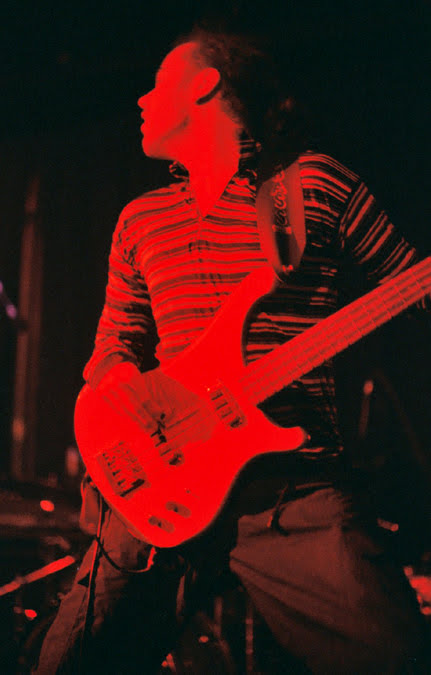
Recordings and releases
Soul of a Nu Machine · 2000
A five-track release on FF Vinyl, running for about nineteen minutes: Autopilot, Sargasso Sea, Ripped Stones, Big Lazy Fish and Harm. The songs combine electronic textures, melodic choruses and contrasting approaches to arrangement.
A contemporary Drowned in Sound review gave the EP 8/10. Gaz’s own discography records bass, vocals and co-production credits.
Soft Eject · 2001
The full-length Soft Eject arrived on 19 September 2001: sixteen tracks including What Are You Singing About?, Steamboat to Nowhere, When in the Darkest Night, One Winter Every Afternoon and Game Over.
Written and recorded by Rocketgoldstar, the album was mixed and mastered by Thighpaulsandra. It remains listenable through the band’s official Bandcamp page.
Some less familiar recordings leave an intriguing paper trail. A contemporary Drowned in Sound news item announced a four-track Steamboat to Nowhere EP ahead of the album; archive catalogues also list When in the Darkest Night separately. Finding the original sleeves, track listings and recordings will be part of completing this musical archaeology.
Live performances and collaborations
By the late 1990s, Rocketgoldstar were playing the Cardiff Big Weekend and attracting attention beyond Wales, including television exposure on MTV. A handful of surviving concert records document shows with Half Man Half Biscuit at London’s Mean Fiddler (2001), William D. Drake at the Bull & Gate (2009), and Bobby Conn at Cardiff’s Clwb Ifor Bach (2010). These are fragments rather than a complete touring history.
The group’s experimental relationships also spread into other work. Frank and Siôn created original music for the Cardiff physical-theatre company Earthfall, where sound, choreography and film were closely connected. And in 2008, Gaz and Frank appeared in the credits for Siôn’s extraordinary solo project The Zsigmondy Experience. Musical ideas rarely stop at the edge of a band.
The ongoing archive
Rocketgoldstar’s history includes the releases themselves and the relationships, performances and collaborations that developed around them.
Much of this history predates modern online archives. Original flyers, recordings, photographs and press clippings will help develop a fuller account of the group.
Explore the surviving archive
Start with Soft Eject on Bandcamp. Then dive into the Tongwynlais interview, the NME account of the twelve-hour single, the 8/10 Soul of a Nu Machine review, the surviving gig listings and Siôn Orgon’s Earthfall work.
This is a living archive. Some dates, gig histories and photographs still need to be reunited with their original sources; the page will grow as more material emerges.

